
Diagnostic Services in Knightdale
Diagnostic services play a critical role in helping veterinarians detect issues early and develop effective treatment plans tailored to each pet’s specific needs.
For pets and their families in Knightdale, we provide a wide range of diagnostic services to properly identify what is ailing your pet. If you are worried your pet is sick, or facing a potential health issue, contact our team today to set up an appointment.
Why Choose Smithfield Road Veterinary Hospital for Your Pet’s Care
At Smithfield Road Veterinary Hospital, we focus on accurate, thorough diagnostics delivered by an experienced, highly trained team of veterinarians and technicians. We combine compassionate handling with modern technology to ensure your pet receives the care and attention they deserve.
We work to treat each pet in Knightdale with an individualized care plan that addresses their specific medical needs as well as the concerns and goals of every owner.
Diagnostic Testing and Lab Services Available
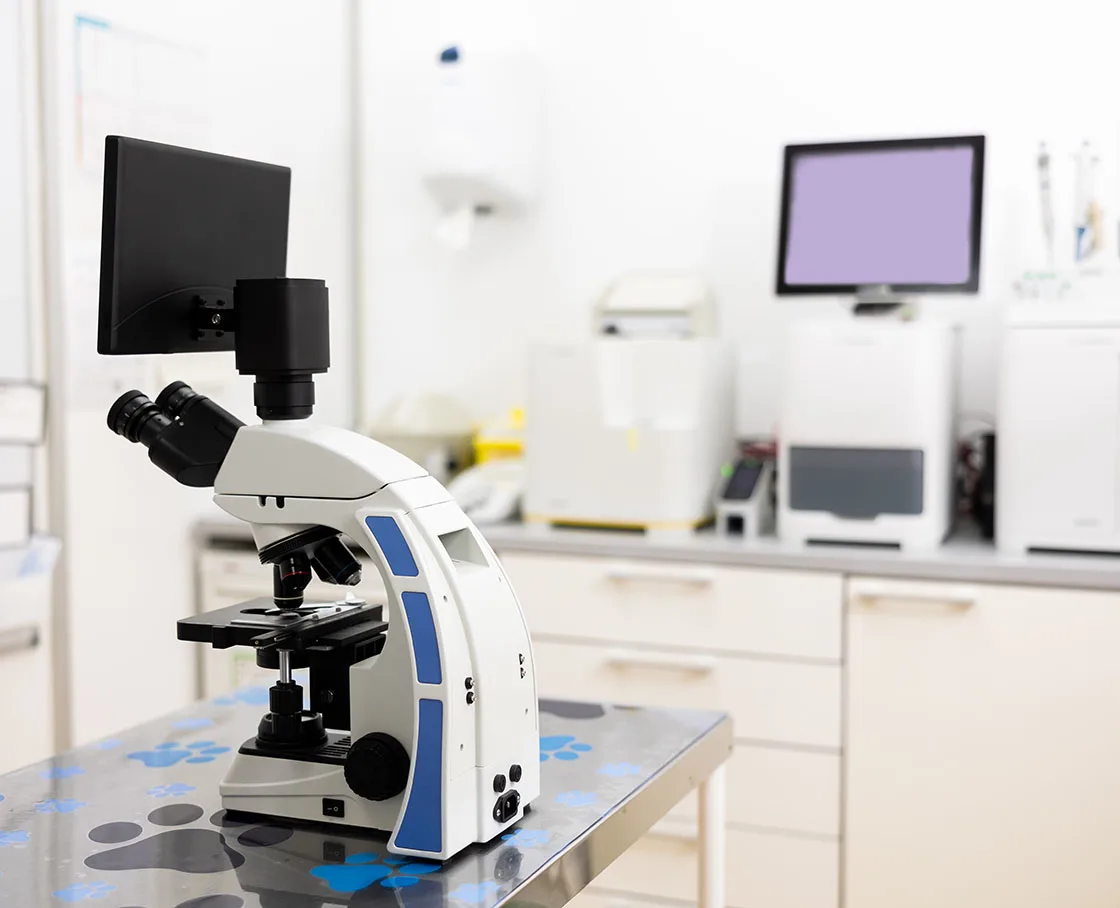
The diagnostic and laboratory services offered at Smithfield Road Veterinary Hospital are:
Digital Radiography
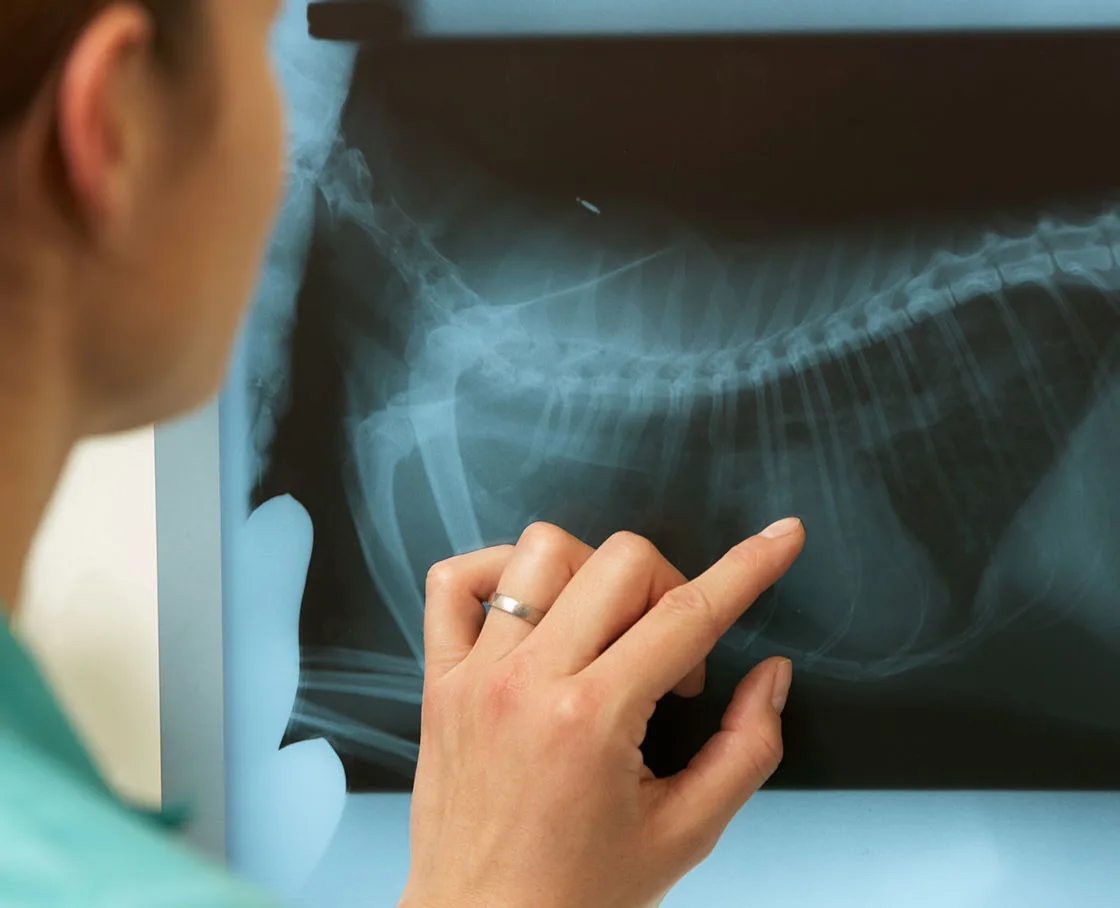
State-of-the-art X-ray technology that produces highly detailed images of your pet's internal structures. Radiography is safe, painless, and non-invasive, using only very low doses of radiation, and can evaluate bones and organs to diagnose conditions including broken bones, arthritis, bladder stones, and spinal cord diseases.
Complete Blood Count
A routine blood test that provides information about different cell types in the blood and can indicate the presence of many forms of disease.
Bloodwork
Common and specialized blood tests performed at the in-house lab to assess your pet's health and diagnose illnesses, including tests such as complete blood count, white blood count, hemoglobin, hematocrit, platelets, and blood serum profile.
Urinalysis
A urinalysis evaluates your pet’s urine for changes in concentration, acidity, and substances such as blood, protein, glucose, cells, bacteria, and crystals. This simple diagnostic test can provide valuable information about hydration, kidney function, urinary tract health, diabetes, infection, and the risk of bladder stones. It can be recommended when a pet has urinary symptoms or used with bloodwork during routine wellness screening to identify concerns that are not yet causing noticeable signs.
Fecal Exams
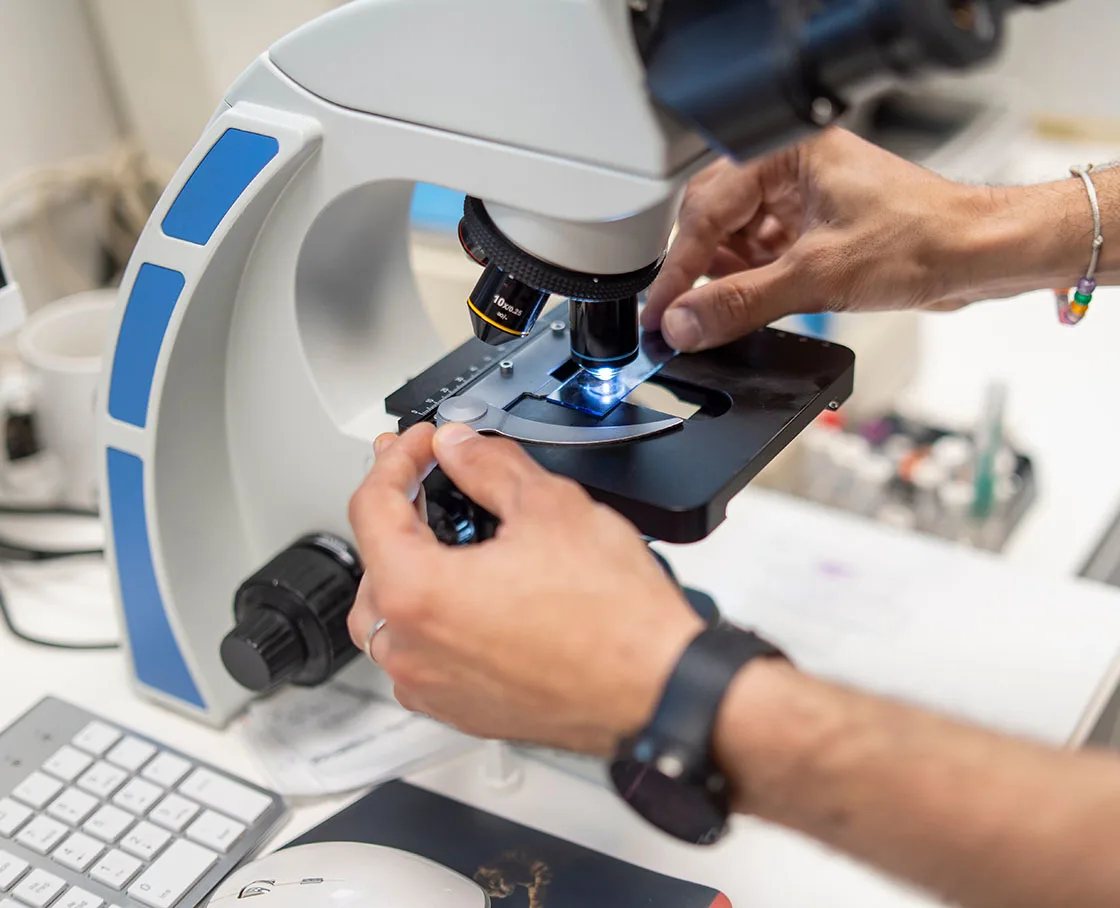
Microscopic examination of your pet's feces performed at the in-house lab to identify intestinal parasites such as roundworms and hookworms that could compromise your pet's health.
Electrocardiography
An ECG/EKG procedure that can be completed quickly and easily to reveal data integral to diagnosing heart disorders when a physical examination suggests a potential cardiac condition.
The Importance of Quick and Accurate Diagnoses
A complete diagnostic workup at the first sign of illness or injury supports early detection and allows a veterinarian to build a preliminary treatment plan. Early diagnosis can minimize complications, improve outcomes, and help families manage medical costs.
While speed matters, accuracy is essential. That’s where our professionally trained team and state-of-the-art equipment come in. We use the appropriate tools, paired with clinical expertise, to provide a clear, comprehensive diagnosis and prognosis that sets your pet up for long-term success.
Financing & Payment Options for Laboratory & Diagnostics in Knightdale
We offer flexible payment and financing options that can help reduce the financial burden of a new pet by spreading the costs out over time. Learn more about the financing options we offer here.

Pay for treatments and routine visits over time with convenient monthly payments.

Scratch offers simple, transparent payment plans for your veterinary needs.

We provide documentation to help you with your pet insurance reimbursements.
Frequently Asked Questions About Diagnostic Services
When should my pet be evaluated?
If you notice changes such as decreased appetite, vomiting/diarrhea, coughing or sneezing, increased thirst/urination, limping, lethargy, or behavior changes, contact our office to schedule a diagnostic exam. Early evaluation often leads to better outcomes.
How often should my pet have blood work?
Most adult pets benefit from annual screening; seniors or pets on long-term medications may need testing every 6 months. Pre-anesthetic blood work is recommended before any procedure requiring sedation or anesthesia.
What is a heartworm or fecal test?
A heartworm test is a blood screen (primarily for dogs, sometimes cats) that detects heartworm infection. A fecal test checks for intestinal parasites. Both are vital to your pet’s health and your family’s safety.
Book an Appointment at Smithfield Road Veterinary Hospital
New pets are always welcome at Smithfield Road Veterinary Hospital. Our friendly veterinary staff looks forward to providing our neighbors in the area and surrounding communities with the veterinary care they need.
